
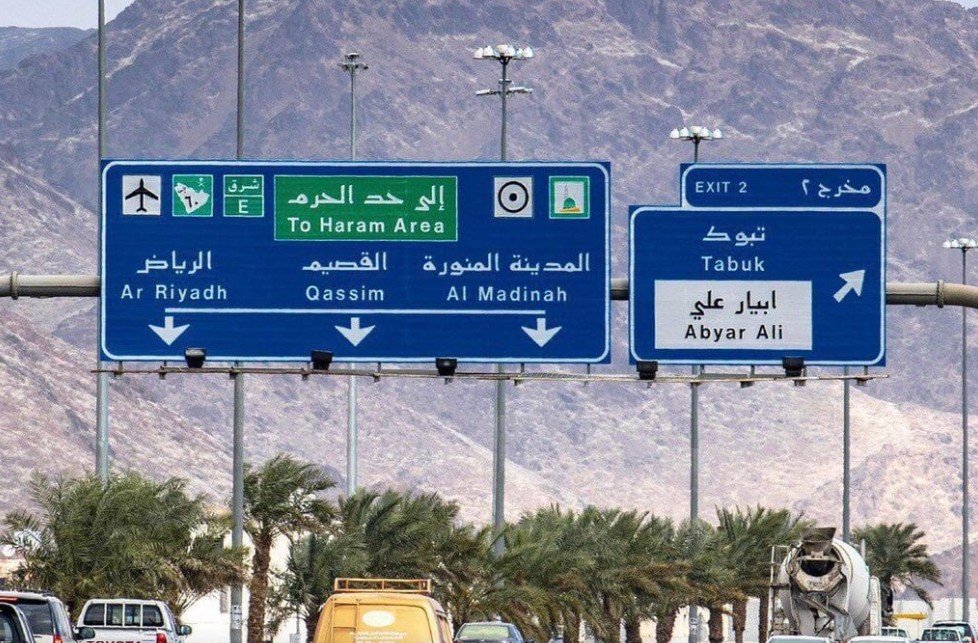
Makkah to Madinah Taxi Safety: Highway Rules, Speed Limits & Pilgrim Guidelines
The 450 km journey along Route 15 (the Hijrah Highway) connecting Makkah al-Mukarramah and Al-Madinah al-Munawwarah is one of the most traveled intercity routes in Saudi Arabia. Whether returning from Umrah or traveling to visit Al-Masjid an-Nabawi, ensuring a safe, comfortable, and compliant road transfer is critical for every pilgrim family.
At Umrah Taxii, passenger safety and regulatory compliance drive everything we do. From strict adherence to Saudi Transport General Authority (TGA) regulations to monitoring automated radar speed networks, we maintain maximum safety standards across every intercity transfer.
Understanding Highway Speed Limits & Radar Enforcement
The Saudi Special Forces for Road Security heavily monitor the Makkah – Madinah Highway using the Saher automated camera system and mobile highway radar units.
To guarantee passenger safety and avoid illegal driving practices, our professional chauffeurs follow exact speed parameters based on vehicle class:
| Vehicle Type | Highway Speed Limit | Typical Transit Time | Recommended Fleet |
| Sedans (Toyota Camry) | 120 km/h – 140 km/h | 4 Hours 15 Mins | 1–3 Passengers |
| Family SUVs (GMC Yukon XL) | 120 km/h – 140 km/h | 4 Hours 30 Mins | 4–6 Passengers |
| Minibuses (Toyota HiAce) | 100 km/h – 110 km/h | 5 Hours | 7–12 Passengers |
Driver and Vehicle Standards We Require
- Licensed, vetted drivers: Every driver on this route holds a valid commercial license and has been screened before being assigned intercity trips.
- Mandatory rest breaks: For trips exceeding 3 hours, drivers are required to take a short break at one of the designated highway rest stops along the expressway.
- Vehicle maintenance checks: Tires, brakes, and air conditioning are inspected before any long-distance trip, since desert heat puts extra strain on vehicles over a 450km journey.
- No night-driving fatigue policy: Drivers scheduled for overnight Makkah–Madinah trips are rotated to avoid excessive consecutive driving hours.
What Pilgrims Can Do to Stay Safe
- Book with a service that states its safety standards clearly, rather than assuming any taxi will do for a long highway trip.
- Wear your seatbelt for the full journey — Saudi law requires it, and it’s non-negotiable on high-speed expressways.
- Speak up if you feel unsafe. If a driver is speeding or appears fatigued, pilgrims have every right to ask them to slow down or request a stop.
- Plan for a rest stop if traveling with elderly family members or young children, since the trip does take several hours.
A Note From Our Team
“We’ve made this drive more times than we can count, in every season and time of day — the one thing that consistently prevents problems is discipline around speed and rest breaks, not shortcuts,” says the Umrah Taxii operations team, drawing on years of coordinating this specific route for pilgrims.
Final Thoughts
The Makkah to Madinah journey is one of the most common intercity trips pilgrims take, and it’s also one where safety shouldn’t be left to chance. Knowing the actual speed limits, understanding why they’re enforced so strictly, and booking with a provider that holds its drivers to clear standards are the simplest ways to make sure this part of your journey is as safe as it is meaningful.